Ojo Sarco, NM
Avi Farber
"Have a Seat Said my Grandmother" · Timber salvaged from the Hermits Peak/Calf Canyon
burn scar
I lived in Ojo Sarco, a small village, part of the Las Trampas Land Grant of 1751. These spruce logs were
burned in the Hermits Peak fire, then logged and deposited at the fire department. Free community firewood. A
consolation for losing their forests. The seedlings of these trees grew before land was owned on paper, before
lumber was traded for money. A time when trees would grow and burn in rhythm with drought and lightning. I cut
wood at the fire department, but these logs were too beautiful to burn for a second time. Better suited to
hold our weight, to hold us as we sit. To think about these trees more closely.
Tears That Water a Mountain of Berries | Burn Scar Soundscape · Binaural Microphone, Single Board
Computer, Cell Connection, Headphones, Log totem from Hermits Peak Fire
I was happily surprised to find raspberries growing in the burn scar. There are complexities to grief that we
may only understand through listening. Can you hear the songbirds? The aspen leaves? The logging trucks loaded
with Douglas Fir? Can you feel the skies darkening with the monsoon? Or taste the sweetness of a berry below a
charcoal totem reaching to the sky? I have placed a microphone in the Hermits Peak burn scar. Traditional land
of the Jicarilla and North Tiwa. The microphone is live streaming the soundscape of this place. One of the
most important things we may do to understand how to live with wildfire, is simply listen.
Ember Echos: Recordings of Fire in the Landscape · Ceramic panels made with clay harvested in
Montana, Metal
On June 26th, a lightning strike ignited the Beehive Fire near Tres Piedras, NM. In its path were several
ceramic panels. Over the past three years I have been placing these panels in fire-prone landscapes to become
canvases for the fire itself—an invitation for the spirit of fire tell its own story as it moves over them.
The clay records this ephemeral moment of ecological transformation. These are the first panels I have
recovered after being "fired" by a wildfire. They offer an opening for us to have a new conversation
with fire, and something for us to return to after the fire has passed.
PARTICIPATING SCIENTISTS
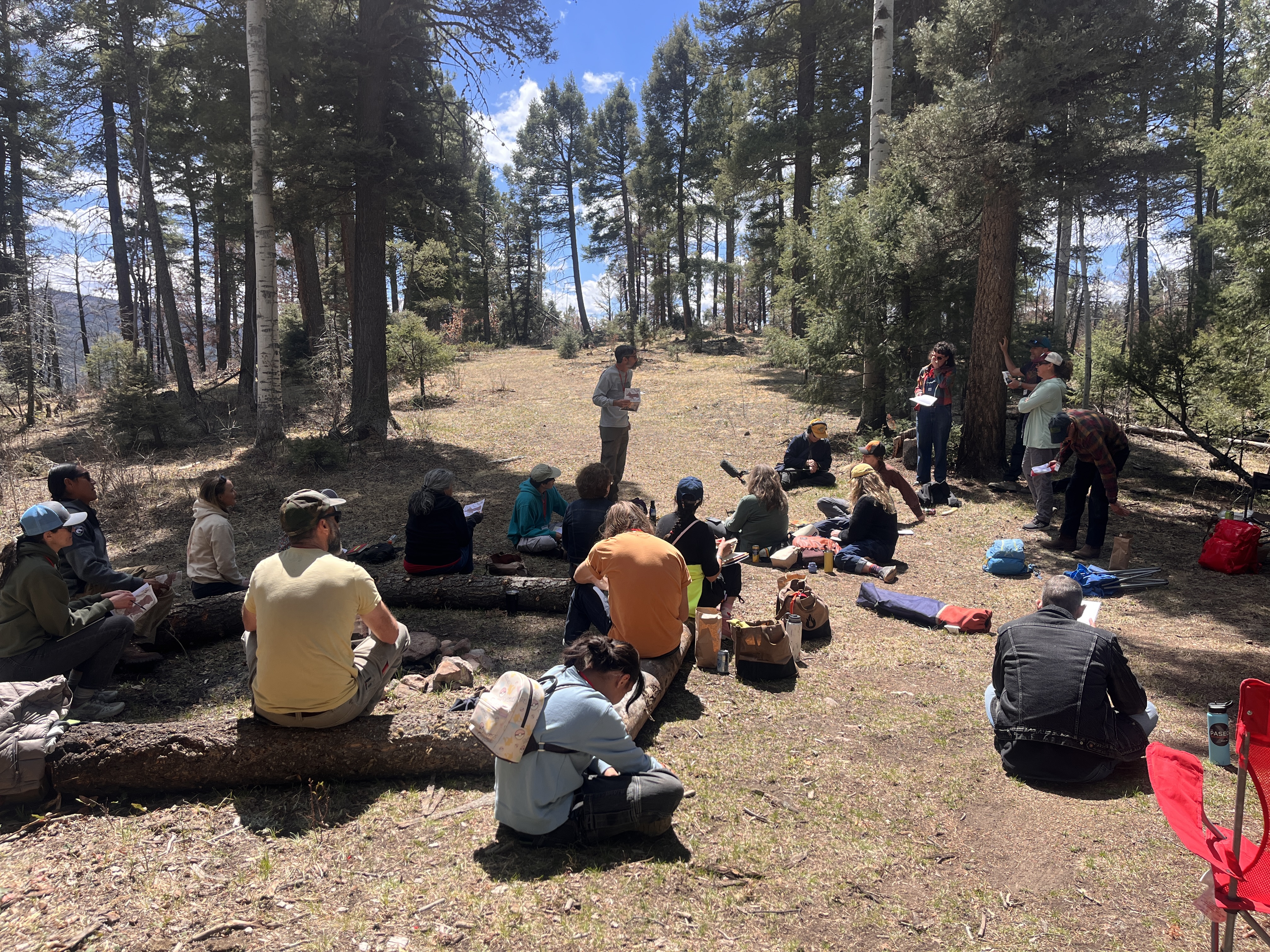
We do science because we want to understand fire's role in forest ecosystems and to share that with others.
We've
come to realize that scientists aren't the best messengers for everyone. Artists convey the nuance of our findings
in new ways, to new people.
Fire is ever present in the Southwest, with urgent and real implications for forests, waters, and society. Our
research explores wildfire in the past, in the current, and in a climatically different future. We study fire
across time and scale to learn how people influence fire, both historically and today.
Fire is complex: sometimes destructive, sometimes essential, and hard to explain in data alone. Yet, complexity
is relatable. We all live it in some way, and art helps connect fire's complexities to those experienced in our
own lives.
Our participation in Disturbance is an attempt to promote a more nuanced understanding of fire in Southwestern
forests, and generate conversations to live with fire better, together.

10
EDUCATION PROGRAMS
Disturbance:
Youth Education
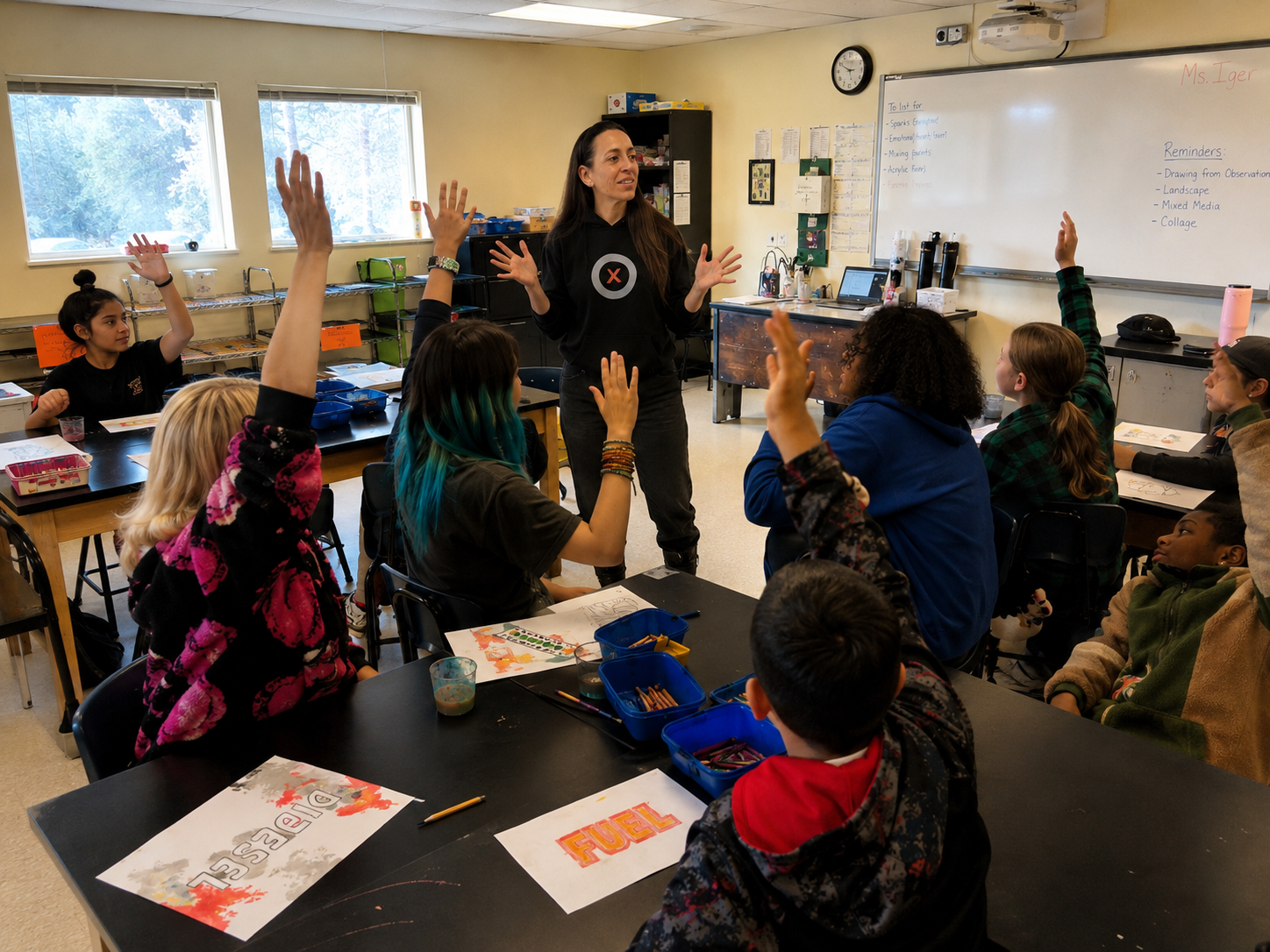
Disturbance's youth education program began in classrooms in the spring of 2026 and continues through the rest of
the year, connecting hundreds of students across Northern New Mexico with art, science, and the changing forests
around them. Led by The Paseo Project in partnership with Twirl, the STEAM-based program engages fourth and fifth
grade students from Taos, Questa, Peñasco, Red River, Dixon, Ojo Sarco, Picuris Pueblo, Taos Pueblo, and
surrounding communities.
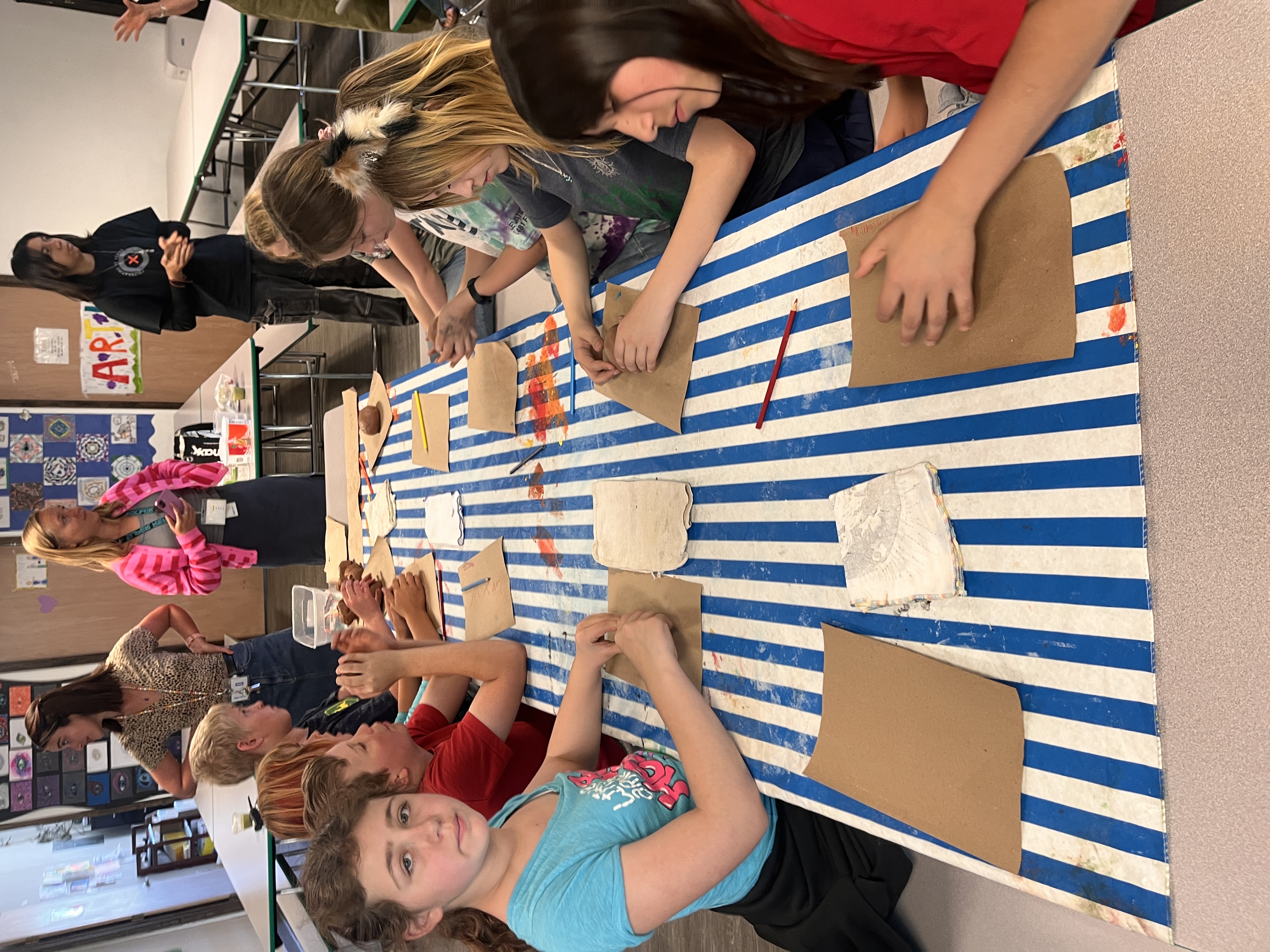
Through movement, role-play, systems-based games, discussion, and hands-on artmaking, students explore how
forests grow, how fire moves through different landscapes, and how ecosystems recover and regenerate. Their
classroom projects include charcoal and ash drawings, cyanotypes, clay forms, recycled fire sculptures, ecological
sound, and forest structures. Together, these works transform scientific ideas into a creative and deeply personal
exploration of fire, resilience, stewardship, and ecological balance.
Disturbance, A Forest in Motion:
A Youth Art + Ecology Event
The program comes together in Disturbance, A Forest in Motion, an immersive youth art exhibition at the Taos
Center for the Arts Stables Gallery, October 1–4, 2026. Created by students from across the region, the
walk-through installation invites visitors to move through stages of forest growth, density, disturbance,
regeneration, and renewal. The public is invited to join us for the opening on Friday, October 2, followed by a
weekend of youth-led tours, hands-on art activities, artist and educator presentations, and interactive
experiences for all ages.
Partnering Schools and Organizations:
Taos Charter School, Arroyos Del Norte Elementary School, Anansi Charter School, Taos Academy, Penasco Independent School District, Roots and Wings Community School, Taos Integrated School of the Arts, Enos Elementary School, Ranchos Elementary School, Taos High School, Taos Public Library, Taos Behavioral Health, Questa Independent School District, Taos International School, Red River Valley Elementary School, Taos Day School, Oo-Oo-Nah Art & Cultural Center Imagine Children's Museum, Embudo Valley Library, The Collaborative Teachers Institute.
12
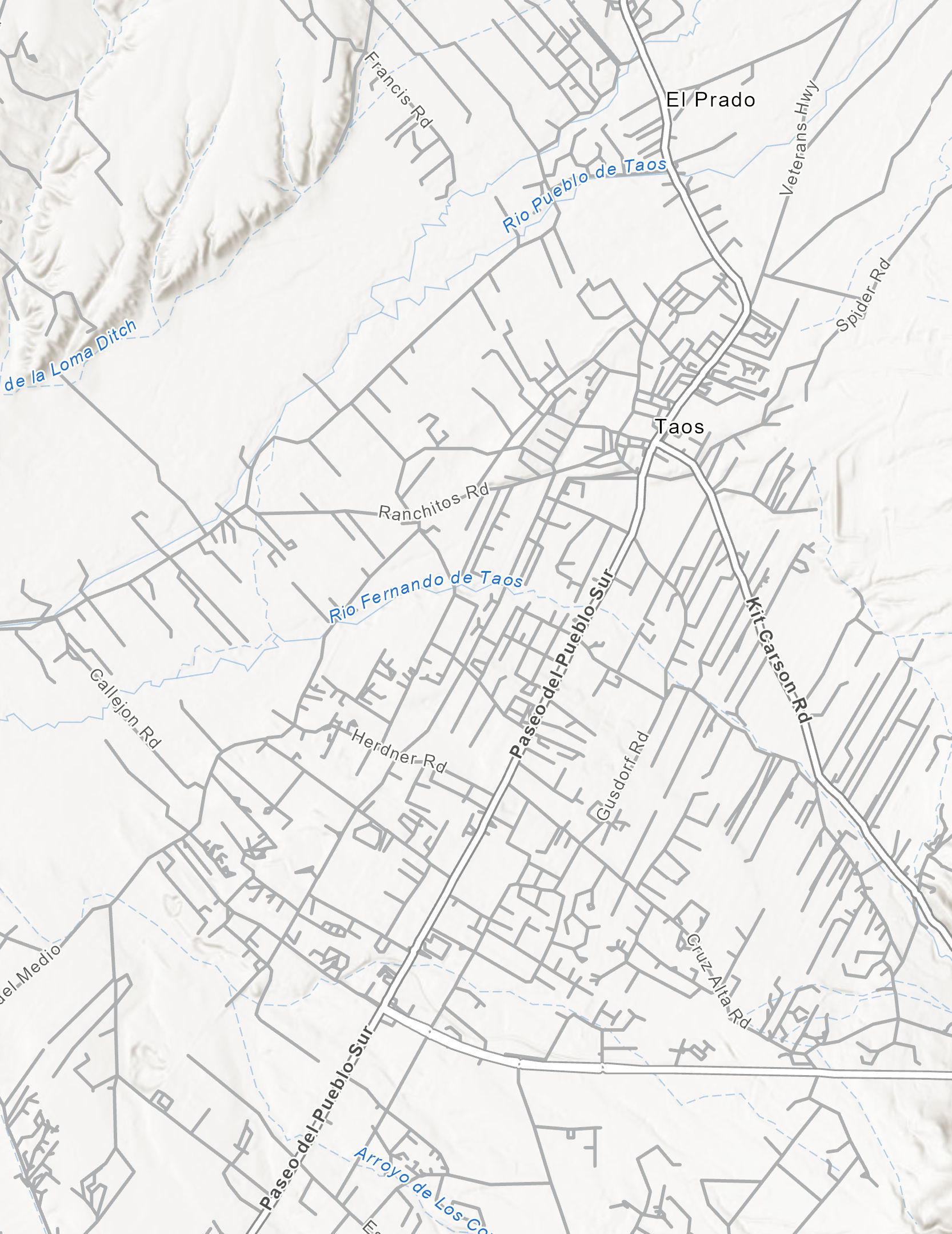
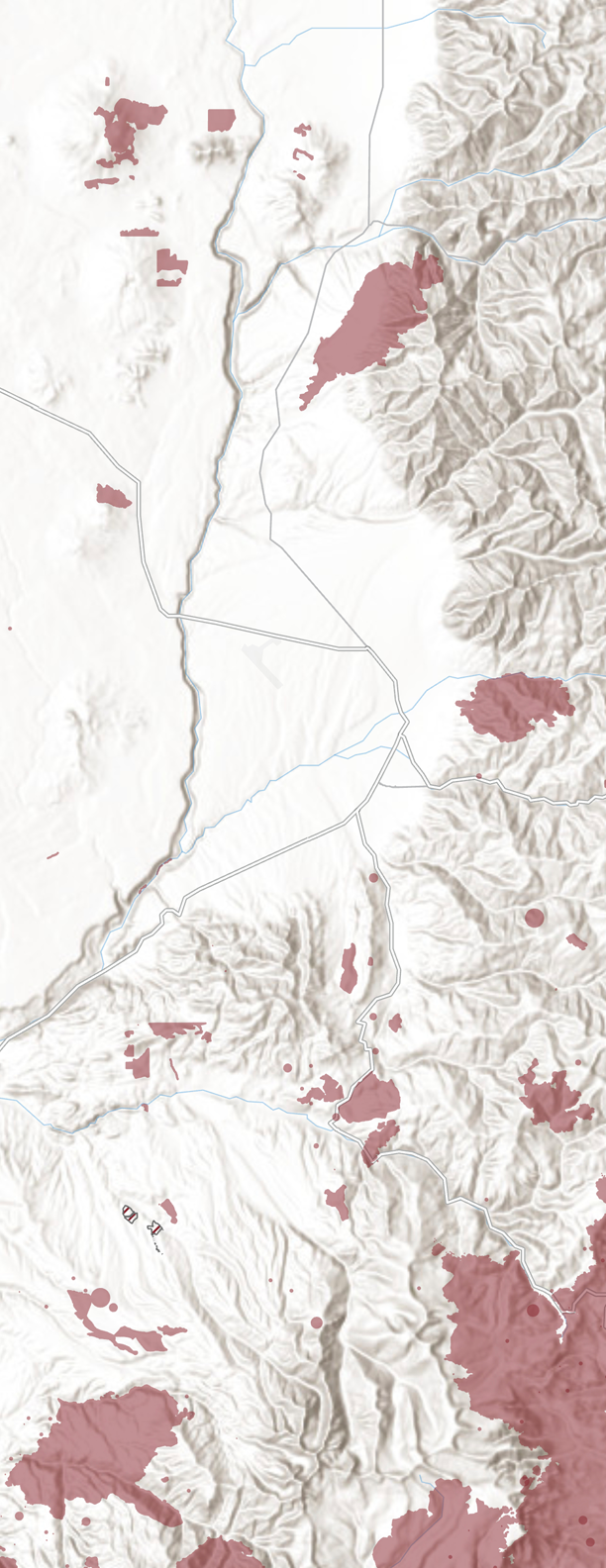
Disturbance unfolds across five months of exhibitions, events, and community programs, beginning in late August and continuing through January 2027. Each month, Disturbance Days bring artists, scientists, educators, and audiences together in towns and landscapes across Taos County. This map highlights the many places being “disturbed” throughout the fall and winter. The full schedule follows; for the latest program details and updates, visit www.disturbancetaos.org.

A
TAOS
14
11
16
13
15
10
2
1



/paseo_black.png)
/del_fuego_black.png)
/fsg_black.png)



















/01%20disturbance_booklet_design_assets_PASEO_Logo.png)
/02%20disturbance_booklet_design_assets_Del%20Fuego_Logo.png)
/03%20disturbance_booklet_design_assets_Forest_Stewards_Guild%20Logo.png)